FreelanceWebDesigner

Author name: admin

best seo companies india
SEO

How to Find the Best SEO Companies in India for Your Business?

To effectively navigate the vast realm of SEO services in India, one must engage in strategic exploration. This article offers a clear overview of where to locate the top SEO businesses and the important factors to take into account when selecting one, covering everything from industry events to online platforms. You can use the tips to choose an SEO company or an SEO expert in India whose goal is to empower businesses to make informed decisions. Where Can You Look for the Best SEO Companies in India? Embarking on the search for the best SEO company in India? Consider exploring the following avenues to find the best SEO company in India for your business: 1. Online Directories and Platforms To help with decision-making, look through platforms like Clutch and GoodFirms for thorough lists, customer testimonials, and ratings of SEO businesses in India. 2. Industry Conferences and Events Attend industry conferences to network, learn from SEO experts, and get referrals for respectable businesses that specialize in your field. 3. Social Media Platforms Use Facebook, Twitter, and LinkedIn to interact with Indian SEO businesses. Adopt companies that exhibit industry knowledge and client success stories on their website. 4. Referrals and Recommendations Utilize the influence of word-of-mouth by asking coworkers and peers in the field for recommendations. Personal experience-based recommendations offer real insights into a company’s reliability. 5. Google Search To find the best SEO firms in India, do a Google search. Give preference to people who perform well on search engine results pages (SERPs), as this indicates that they are adept at SEO. Related Article: Why SEO Is Important for Business to Achieve Online Growth? Tips to Choose the Best SEO Company in India The next vital step is to assess and choose the SEO company that best suits your needs after you’ve compiled a list of possible candidates. When choosing, keep the following things in mind: 1. Expertise and Specialization Assess SEO firms according to their knowledge of particular industries. Selecting organizations with a track record in your industry will guarantee that they have a greater grasp of your company and its particular difficulties. 2. Track Record and Case Studies To evaluate the track record of an SEO company, review their portfolios and case studies. Seek out observable outcomes and efficacious initiatives that demonstrate their capacity to provide quantifiable benefits for customers. 3. Transparency and Communication Give preference to SEO firms who place a strong emphasis on open communication and openness. Updates, progress reports, and clear explanations of tactics guarantee that you are aware of the state of your SEO strategy. 4. Client Reviews and Testimonials Examine customer testimonials to learn about the experiences of companies that have worked with the SEO agency. Genuine comments offer insightful details on competence, dependability, and contentment. 5. Customization and Flexibility Pick an SEO firm that provides solutions that are tailored to your company’s objectives. The agency can adjust plans to the changing needs of your target audience and sector with a flexible approach. 6. Ethical Practices Verify that the SEO agency abides by industry standards and ethical principles. Steer clear of black-hat SEO firms; ethical SEO builds long-term success without putting your website in danger of fines or reputational harm. 7. Pricing and ROI Talk about pricing schemes and give preference to agencies who clearly explain the value they add to your company. Consider the possible return on investment (ROI) instead of only the service with the lowest cost. Conclusion of the Tips to Find the Best SEO Companies in India It takes meticulous analysis, investigation, and consideration of several variables to choose the top SEO company in India for your organization. By looking into several options and evaluating important factors, you can decide in a way that best suits your company’s goals and guarantees a fruitful working relationship with a reliable SEO partner.


social media marketing strategies
Social Media

Social Media Marketing Strategies: Building a Digital Presence

Social Media Marketing (SMM) is a powerful digital marketing strategy that involves using social media platforms to connect with your audience, build brand awareness, and drive website traffic. Successful social media marketing strategies involve a thoughtful blend of content creation, audience targeting, and data analytics to ensure a comprehensive and impactful online presence. Social media marketing experts play a crucial role in devising and implementing effective strategies to optimize engagement and maximize the impact of these platforms. Importance of Social Media Marketing 1. Audience Engagement Social media enables direct communication with your target audience, fostering engagement through comments, likes, and shares, leading to a more interactive and personalized brand experience. 2. Brand Awareness SMM is a vital tool for increasing brand visibility. By consistently sharing valuable content and interacting with followers, businesses can enhance their brand recognition and loyalty. 3. Lead Generation Social media platforms provide an effective way to generate leads. Through strategic content and advertising, businesses can capture the attention of potential customers and convert them into leads. 4. Cost-Effective Advertising Compared to traditional advertising methods, social media advertising is often more cost-effective. It allows businesses to reach a wider audience at a fraction of the cost. Cost-effectiveness makes social media marketing an important part of digital marketing services. 5. Market Insight Social media platforms offer valuable insights into customer behavior and preferences. Analyzing these data can help businesses make informed decisions and tailor their strategies to meet audience needs. Top Social Media Marketing Platforms Facebook Facebook, with its 3 billion monthly users, is a versatile social media giant. Businesses leverage its diverse advertising options, including targeted ads and business pages, to engage with a vast and varied audience. Related Article: Top 7 Benefits of Facebook Marketing for Small Businesses Instagram Instagram, with its emphasis on visual content, is a go-to platform for brand promotion. Ideal for industries like fashion and travel, it encourages visual storytelling through captivating photos and videos. Twitter Twitter’s real-time nature and character limit foster concise and impactful messages. Brands use hashtags and trending topics to boost visibility and engage with a diverse audience on this dynamic social media platform. LinkedIn Geared toward professionals and B2B marketing, LinkedIn is the premier networking platform. Businesses use it to build industry authority, establish thought leadership, and connect with other professionals for meaningful collaborations and partnerships. Snapchat Popular among younger audiences, Snapchat is known for ephemeral content. Brands capitalize on its creativity for engaging marketing campaigns, featuring behind-the-scenes content, limited-time offers, and interactive filters, creating a unique brand experience. How to Create a Social Media Marketing Strategy? Step 1: Choose goals that align to business objectives Select measurable and business-aligned goals for your social media strategy, such as increasing brand awareness, driving website traffic, or boosting lead generation, ensuring a clear direction for your efforts. Step 2: Learn everything you can about your audience Gather insights into your target audience’s demographics, interests, and online behavior. This knowledge guides content creation, ensuring your social media efforts effectively resonate with and cater to your audience. Step 3: Get to know your competition Conduct a thorough analysis of competitors’ social media presence, identifying strengths, weaknesses, and opportunities. Learning from their strategies helps you differentiate your brand and engage your audience more effectively. Step 4: Do a social media audit Evaluate your current social media presence, examining platform performance and engagement metrics. This audit identifies areas for improvement and ensures your strategy aligns with your brand’s objectives. Step 5: Set up accounts and improve profiles Establish or optimize social media profiles with consistent branding, engaging visuals, and accurate business information. A polished profile enhances credibility, encouraging users to connect with and trust your brand. Step 6: Find inspiration Stay informed about industry trends and successful campaigns. Drawing inspiration from diverse sources fosters innovation, keeping your content fresh, relevant, and appealing to your target audience. Step 7: Create a social media content calendar Plan and schedule content in advance with a social media calendar. This ensures a consistent posting schedule, allowing for strategic content creation, including themed campaigns, promotions, and relevant trending topics. Read the article to learn more about creating a social media calendar. Step 8: Create compelling content Craft authentic and engaging content, utilizing visuals, videos, and written posts. Tailor content to each platform, ensuring it aligns with your brand identity and resonates with your audience, promoting meaningful interactions. Step 9: Track performance and make adjustments Regularly analyze social media metrics to assess strategy success. Use performance data to make informed adjustments, identifying what works and what doesn’t. Continuous improvement ensures the effectiveness of your social media efforts. Best Practices 1. Personalized Customer Experience Tailor content and interactions to individual preferences, leveraging customer data for a more engaging experience. Personalization fosters stronger connections, loyalty, and customer satisfaction. 2. Efficient Content Marketing Develop a strategic content plan aligned with business goals. Consistently produce valuable, relevant content that resonates with the target audience, establishing brand authority and trustworthiness. 3. Community Building for Your Audience Build an online community around your brand to foster a sense of belonging. Encourage engagement, discussions, and user-generated content, strengthening brand loyalty and providing valuable feedback. 4. Optimized Profiles on Relevant Channels Identify and establish a presence on social media platforms where your target audience is active. Optimize profiles with consistent branding, visuals, and information to make a memorable and impactful first impression. 5. Cross-Channel Marketing Campaigns Integrate marketing efforts across various channels to maximize reach and impact. Develop cohesive campaigns with a consistent message, ensuring a seamless experience for your audience across different platforms. 6. Live Storytelling Experience Engage your audience by sharing real-time content through live videos. Use this interactive format to tell stories, showcase behind-the-scenes moments, and connect authentically, creating a dynamic and engaging brand experience. Conclusion of Social Media Marketing Strategies Social media marketing is an essential tool for businesses looking to thrive in the digital age. By utilizing various platforms strategically, businesses can enhance their online presence, connect with their audience, and

ai in digital marketing
Technology

AI in Digital Marketing: Strategies for Effective Campaigns

Staying ahead in the ever-changing world of digital marketing necessitates using cutting-edge technologies and creative thinking. Artificial Intelligence (AI) has become a disruptive force in business, transforming the way companies develop and implement their marketing plans. This article will discuss the fundamentals of artificial intelligence, its applications in digital marketing, and particular tactics that businesses are using to run more successful campaigns. What is AI? Artificial intelligence is the replication of human intellect in computers that have been trained to mimic human cognitive processes. These algorithms- and data-driven devices are capable of pattern recognition, decision-making, and ongoing experience-based learning. Benefits of Incorporating AI in Digital Marketing 1. Data-Driven Decision Making AI helps marketers swiftly sort through large databases and uncover insightful information. This data-driven approach enables businesses to identify patterns, optimize tactics, and make well-informed decisions based on current facts. 2. Personalization at Scale Hyper-personalization is made possible by AI’s capacity to examine consumer behavior and preferences. By producing content that is specifically tailored to each user, marketers can increase user engagement and cultivate brand loyalty. 3. Efficient Resource Allocation By determining the most successful channels and strategies, AI aids in the optimization of resource allocation. This guarantees the effective use of marketing funds, optimizing return on investment (ROI). 4. Improved Customer Experience AI improves the customer experience with chatbots and tailored interactions. Prompt replies and customized suggestions enhance client contentment and fortify brand-consumer bonds. 5. Predictive Analytics By predicting future trends and behaviors, artificial intelligence (AI)-powered predictive analytics helps marketers foresee changes in the industry. Businesses may stay ahead of the competition by adjusting their strategy ahead of time thanks to this proactive approach. How Companies Are Using AI In Digital Marketing? 1. Chatbots and Conversational Marketing Businesses are progressively integrating chatbots driven by artificial intelligence into their digital marketing plans. These virtual assistants provide consumers with immediate, individualized support via websites and chat apps. Chatbots can provide personalized advice and recommendations by evaluating user data, resulting in a smooth and interesting dialogue experience. This improves customer satisfaction while guaranteeing a responsive and continuous channel of user engagement that is open around the clock. 2. Predictive and Targeted Content By anticipating and targeting material according to user behavior and preferences, AI is changing the way that content is delivered. Businesses may anticipate user demands and provide highly personalized content by analyzing data patterns. This goes beyond simple suggestions; it includes figuring out which material will appeal to specific users in advance, making the user experience more relevant and engaging. This tactic raises conversion rates, strengthens brand loyalty, and improves user engagement. 3. Content Creation AI is helping marketers by simplifying the process of creating content. AI-powered automated writing systems can produce articles and social media postings that are both logical and contextually appropriate. Marketing teams will benefit from this time savings as well as the assurance that material is search engine optimized and compliant. Thus, with the use of AI-driven content production tools, businesses can maintain a regular and high-quality content output. Related Article: Content Marketing: The Ultimate Guide 4. Programmatic Advertising AI-powered programmatic advertising is revolutionizing how businesses handle digital advertising. Real-time digital ad buying and placement are automated with this method. Ad placement decisions are made instantly by AI algorithms analyzing user data, guaranteeing that the right audience is reached at the right moment. This focused strategy increases the performance of digital advertising campaigns overall, maximizes ad expenditure, and boosts efficiency. 5. Email Marketing Optimization AI is a key component in making email marketing efforts more effective. Artificial intelligence (AI) can forecast the best times to send emails by examining user behavior, which increases open rates and overall efficacy. AI also makes it easier to create personalized content for email campaigns by customizing it to each recipient’s preferences. This degree of customization improves user experience, boosts engagement, and helps email marketing campaigns succeed. Conclusion of AI in Digital Marketing AI integration into marketing plans is becoming essential for companies looking to succeed in the cutthroat market as they negotiate the digital terrain. The marketing paradigm is changing as a result of AI’s advantages, which range from individualized consumer experiences to effective resource allocation. Businesses may stay current and set the standard for creating data-driven, personalized, and successful digital marketing campaigns that appeal to today’s discerning consumer base by adopting AI-driven methods. The transition to AI-enhanced digital marketing is a strategic necessity for success in the digital era, not just a technical advancement.   Frequently Asked Questions How does AI address concerns related to user privacy in digital marketing applications? AI-driven applications in digital marketing often adhere to privacy regulations and guidelines. Companies implement measures to safeguard user data, ensuring that AI analyses are conducted in a secure and privacy-conscious manner. Can AI-driven content creation tools replace human creativity in marketing? AI-driven content creation tools assist marketers but do not replace human creativity. While AI can streamline certain tasks, the human touch in creative thinking, strategy, and understanding nuanced contexts remains irreplaceable. Are there challenges in implementing AI into digital marketing strategies? Yes, challenges include initial setup costs, integration complexities, and the need for skilled personnel. Companies can overcome these challenges by investing in proper training, gradually implementing AI solutions, and seeking expert guidance. How does AI contribute to cross-channel marketing strategies? AI enhances cross-channel marketing by analyzing data from various channels to create a unified customer view. This enables businesses to deliver consistent and personalized messages across different platforms, improving overall campaign effectiveness.

power of css
Web Design

The Power of CSS: Styling Techniques for Modern Web Design

In the world of web design, Cascading Style Sheets (CSS) play a vital role in shaping the visual aesthetics and user experience of websites. CSS empowers web developers and web designers to control the presentation and layout of web content, making it a cornerstone of modern web design. This article is going to explore the power of CSS in modern web design What is CSS? CSS, short for Cascading Style Sheets, is a language used to define the visual appearance of web pages. It acts as a bridge between the content, usually written in HTML, and how that content is presented to the user. This separation of content from design allows for flexibility and precision in web design. Components of CSS CSS is structured around three main components: Selectors: These define which HTML elements the styles should be applied to. It can target elements like headings (h1, h2, h3), paragraphs (p), specific classes or IDs, and more. Properties: Properties are the aspects of an element that you want to style. They include attributes such as color, font size, margin, padding, and positioning. Values: Values are assigned to properties and determine how the selected elements will appear. For instance, a value can be a specific color, a font size, or a combination of dimensions. The Importance of CSS in Web Design CSS plays a pivotal role in web design for several reasons: Consistency: CSS allows designers to maintain a consistent look and feel across a website. Styles defined in a single CSS file can be applied to multiple web pages, ensuring uniformity in design. Scalability: As websites grow, maintaining design consistency becomes more challenging. CSS simplifies this task, as designers can make changes in one place (the CSS file) and see those changes reflected throughout the site. Adaptability: The web is accessible on a wide range of devices, from large desktop monitors to small smartphone screens. CSS enables responsive web design, ensuring that websites adapt to different screen sizes and orientations, providing a seamless user experience. Accessibility: Accessibility is a fundamental aspect of web design. CSS allows for the creation of accessible web content by structuring layouts, providing text alternatives for images, and ensuring proper color contrast. Efficiency: Using CSS, web developers can streamline the codebase, making websites load faster and perform better. Clean, well-organized CSS code reduces page load times, which is critical for user retention and SEO. SEO (Search Engine Optimization): CSS indirectly affects a website’s SEO. Properly structured and optimized CSS can enhance the user experience and improve the website’s ranking in search engine results. An SEO expert understands the significance of clean and well-organized CSS code in optimizing a website for search engines. Modern CSS Techniques Modern web design calls for creative and user-centric approaches. CSS provides a set of powerful techniques that help in crafting beautiful, responsive, and user-friendly websites. 1. Responsive Web Design Nowadays people use multiple devices, which makes responsive web design important. CSS is a key player in making this happen. Techniques like media queries and flexible layout grids help ensure that websites adapt seamlessly to various screen sizes. 2. Flexbox and Grid Layout For creating complex layouts, CSS offers two powerful models: Flexbox and CSS Grid. Flexbox is great for one-dimensional layouts, such as navigation menus, while CSS Grid is perfect for two-dimensional layouts, like multi-column designs. 3. CSS Transitions and Animations Adding subtle animations and transitions can greatly enhance the user experience. CSS properties like transition and animation allow designers to create smooth transitions and engaging animations without relying on JavaScript. 4. Custom Fonts Custom fonts are often used to give websites a unique and memorable look. CSS enables the integration of custom fonts from sources like Google Fonts or Typekit, adding a personal touch to the design. Related Article: Importance of Typography and How it Impacts Design 5. Pseudo-classes and Pseudo-elements Pseudo-classes and pseudo-elements enable designers to style elements based on user interactions or element states. This enhances interactivity and user-friendliness without the need for additional HTML elements or classes. 6. CSS Variables (Custom Properties) CSS Variables, also known as Custom Properties, provide a way to define reusable values within stylesheets. This simplifies the maintenance of a consistent design throughout a website. 7. CSS Preprocessors CSS preprocessors like Sass and Less offer advanced features such as variables, functions, and nesting. They make the writing of CSS more efficient and maintainable and can be compiled into standard CSS for browser compatibility. 8. CSS Frameworks Frameworks like Bootstrap and Foundation offer pre-designed, responsive components and layout systems that expedite web development and maintain design consistency. Summary of The Power of CSS CSS is an indispensable tool in modern web design. It empowers designers and developers to create visually stunning, user-friendly websites that adapt seamlessly to various devices. From responsive design and layout control to animations and custom fonts, CSS offers a diverse set of techniques that continue to evolve and shape the world of web design, ensuring that the web remains a dynamic and engaging platform.   Frequently Asked Questions What is the difference between inline and external CSS? Inline CSS is applied directly to individual HTML elements using the style attribute, while external CSS is stored in a separate stylesheet file. External CSS promotes consistency and maintainability, making it the preferred choice for modern web design. How does CSS contribute to responsive web design? CSS is instrumental in responsive web design by enabling the use of media queries and flexible layout grids. These techniques allow websites to adapt to different screen sizes and orientations, ensuring a seamless user experience. What are the advantages of using CSS frameworks like Bootstrap in web design? CSS frameworks like Bootstrap offer pre-designed, responsive components and layout systems. They expedite web development, save time, and maintain design consistency across projects. What is the role of CSS in web page loading speed and performance? Well-optimized CSS contributes to faster page loading and better website performance. CSS can be minified, compressed, and organized to reduce load times,

inbound marketing
Marketing

What is Inbound Marketing and Why Is It Important?

Inbound marketing is a digital marketing technique that assists in driving buyers to your organization by generating quality content and engaging experiences that appeal to consumers. Instead of relying primarily on advertisements to attract clients, it places a higher priority on content production and information exchange. By providing clients with educational resources, interactive media, or communication opportunities in addition to your brand’s products, can assist in creating an engaging environment for them. The first step in developing an inbound marketing strategy is figuring out what content you can offer your clients at each stage of their purchasing journeys. Outlining the touchpoints of the shopping experience, from awareness through actions to post-purchase advocacy, can be done with the use of a customer journey map. Creating a content calendar and a promotional plan for your company will also assist in keeping your inbound marketing approach organized. This will be essential for tracking the campaign’s success metrics both during and after its run. It can also inspire creativity in both your content and your multichannel distribution plans. To reach clients in diverse locations, experiment with various content forms and promotional channels. Inbound marketing can be a crucial component of a company’s digital marketing strategy even though it doesn’t always lead to increased lead generation or direct sales. Inbound marketing aims to increase brand awareness, which can be more difficult to quantify directly but is still important. What is the difference between inbound and outbound marketing? Inbound marketing attends to consumer demands. Integrating inbound marketing tactics into campaigns has the potential to assist a variety of marketing disciplines, including content marketing, email marketing, social media marketing, and digital marketing. The inbound marketing methodology focuses more on content generation and giving customers thorough information about your business and items than it does on driving sales. Customers who are researching items can benefit from information provided via inbound marketing. Over half of the respondents in a recent Amazon poll on consumer behavior and product discovery conducted online conducted product research. Inbound marketing can help brands get ready for this by ensuring that the resources and information that customers might require are readily available on their website or social media channels. Why is inbound marketing important? By naturally attracting potential customers rather than obtrusively interrupting them with adverts, inbound marketing can aid in the growth and success of organizations. While inbound marketing has many advantages, the following are some of the most significant ones: Reduces costs Inbound marketing typically costs less and provides a higher return on investment than outbound marketing. Inbound marketing leads actually cost 62% less than outbound prospects, according to a recent HubSpot analysis. Additionally, they discovered that companies that primarily use inbound marketing save nearly $14 (£10) for every new client. This makes sense when you compare the prices of opening a Twitter account or adding a blog to a website you already pay the hosting for to starting a billboard commercial or even a Facebook ad campaign. There are several circumstances where spending more money can result in increased effectiveness or traffic to your websites and social media platforms. You could want to set aside some money for SEO, a CRM (more on those later), or outsourcing some of your content creation or marketing strategy in order to observe how the experts do it. Whatever you decide, there are a variety of scales and options available to suit the requirements of your company. Attracts higher quality traffic Inbound marketing has been demonstrated to draw people who are more likely to become leads and customers, presuming firms modify their SEO approach to ensure that the correct traffic may find them. The development of 1-3 “buyer personas” is a key first step in putting up an inbound marketing strategy. These are profiles of numerous potential buyers of your product who fit the bill in terms of demographic, geographic, and psychographic characteristics (such as goals and motives). When your content creators are aware of these, you can direct your posts and keywords to very specific audiences who are at particular stages of the conversion process. A film analyzing several wedding venue choices might be made as an illustration of this, with the goal of luring engaged young professionals who are in the “consideration” stage of their search. Focusing on specific segments of the population makes it more probable that those who are drawn to your material will be interested in your solutions right away. As a result, your traffic is already more likely to be a higher quality lead, more likely to convert into a lead in the first place, and more likely to match the profile of your ideal client. Increases trust in your brand In the past, prospective customers had to telephone or physically visit numerous vendors to assess the offerings and costs. Many customers only had time to invest in the first offer that seemed affordable. Anyone can now easily access lists of your rivals, product reviews, and details on which extra features best meet their needs and wants by simply clicking a button. You can take charge of the conversation and project an air of authority by being the one to offer that information. The secret is to be willing to discuss whatever your potential customers are interested in hearing about, including pricing, alternatives, comparisons, reviews, and even disadvantages. They will visit your site, come back to it, share it with others, and other websites may link to it to spread the word further if you offer content that is pertinent to the audience you are trying to market to. If this occurs, Google will view you as a reliable source, increasing your visibility in search engine results. Your audience will be more inclined to trust you with their contact information and, ultimately, their company if your website establishes itself as a resource where they can find unbiased information on your area of expertise. Talking about the negatives also encourages users to self-select out of your funnel if they’re not

importance of typography
Graphic Design

Importance of Typography and How it Impacts Design

Discover the importance of typography and the reasons why every modern designer understands this centuries-old art. Perhaps a picture speaks a thousand words. However, text in graphic design is just as important as the imagery it is placed beside. It takes skill to include words in a design without having them compete with or overpower the other visual aspects. It’s known as typography, and there’s no denying its significance in graphic design. What is typography? Typography is the deliberate use of type to improve the readability and aesthetics of written content. Typography is one of the most important abilities that each graphic and internet designer must acquire. It is crucial in all print and digital design processes. Typography has two purposes in graphic design. The first is to increase readability, and the second is to help convey the meaning, tone, and mood of a design item. It is the skill of organizing letters and phrases so that the reader can easily read, understand, and find the content visually pleasing. Typography focuses on style, appearance, and structure with the aim of evoking particular feelings and communicating particular messages. The font brings the words to life. Moveable type was created in the 11th century, which is when typography first appeared. Typography was a specialized art associated with books, publications, and later, public works, before the advent of the digital age. The earliest typographic work was the Gutenberg Bible, which led to a typographic revolution in the West. Fun fact: Textura, the typeface that was used in the Gutenberg Bible, is available in most contemporary desktop applications’ font drop-down menus. Today The same holds true for typography in the digital age as it did for calligraphy in the past. Why is typography important? Graphic designers are visual communicators who utilize text, images, colors, and illustrations to convey ideas. Typography is what makes written messages sing in graphic design. Here are some important illustrations of how typography can accomplish more than just textual communication. 1. Increases accessibility The following typographic elements can be used purposefully to adhere to accessibility design standards and reach a much wider audience for your creations: Line and letter spacing: People with visual impairments may find it simpler to distinguish between letters and words when lines and letters are spaced properly. Contrast: Most people will find it challenging to read low-contrast color combinations, such as grey writing on a light-gray backdrop, especially those who have dyslexia or visual impairments. Instead, choose a contrast that is higher, such as black text on a white backdrop (or the opposite). Font style: Particularly in web design, simple, unambiguous font styles are easier for those with cognitive problems or dyslexia to read. Serif typefaces like Times New Roman and Georgia typically perform worse than sans serif fonts like Arial, Helvetica, and Verdana. Text formatting: Making keywords or phrases bold, italicized, or underlined can assist people with cognitive difficulties in processing lengthy texts more easily. 2. Draws attention Imagine if the message of every banner, book cover, product label, and website was communicated using 12-point Times New Roman. It wouldn’t work since every text element in a graphic design would be overlooked because they were all the same. One of the best methods to draw a viewer’s attention to design is through typography. Additionally, typography enables important information to stand out when it is vying for attention in a design with other visual elements. To create the intended appearance, designers employ a variety of typographic components, including: Font size: By using various font sizes across a typographic design, the most crucial words on the page are highlighted. Contrast: Using contrasting fonts makes some elements stand out and adds aesthetic intrigue. Color: Making use of vivid or strong colors makes important information stand out. Location: Putting key information in a visible spot on the page, such as the top of the center, naturally pulls the reader’s attention to the material that matters most. Whitespace: By purposely leaving a space around an element empty, whitespace draws attention to the text there. 3. Helps with communication A website may be about a business, a piece of art, or a particular product. When visiting a website, you can immediately tell what kind of information is provided. This is the case due to the use of typography. The way the information is arranged, the fonts and colors used, and other minor details enable communication between the website owner and the visitor. 4. Creates an aesthetic feel Choosing the right typeface is the cornerstone of effective typographic use. The typeface should be as straightforward as possible. It shouldn’t be too small or run-down. Selecting legible typefaces for presentations is essential. The typefaces make your writing easier to read. It helps readers understand the text’s material. Colors, typefaces, and text sizes may draw in your target audience. 5. Works on building moods A video game commercial is an example of content. It might have some of the game’s most intriguing components. In this situation, you ought to provide interesting, lively, and fashionable content. The content’s legibility is significantly influenced by the designer’s selection of text alignment and arrangement. The font has typically been oriented by designers in one of four ways: right, left, centered, or justified. If your writing needs to be taken seriously, use legible typefaces. How the text is read depends on the typeface used. 6. It reflects professionalism A high level of knowledge can be seen in a design project’s effective use of typography. Selecting the appropriate text type and size will increase your customers’ likelihood of believing you. Having a business-focused website will help with product marketing. The typographic design has the ability to offer design originality as one of its attributes. Your design or web pages appear pleasant or high-end, playful, serious, inviting, etc. due to the thoughtful use of fonts. You can use specific typefaces to convey your brand’s qualities. Typography is the foundation of a professional design strategy. Typography establishes the worth of the

mobile app development tips
Mobile App

Top 10 Mobile App Development Tips for Small Businesses

Making an app for your small business is a great way to stand out from the competition and provide your customers with a product they will enjoy using. If your software makes their end of the transaction even easier and you have happy, devoted consumers, they will switch over quickly. This article has compiled a summary of 10 mobile app development tips for creating an app that users would adore using and will generate revenue for you. We concentrated on the process’s development phase, but we also assisted you with its promotion. Developing an app could seem intimidating, but if you are committed to your plan and have a sizable pool of potential customers, you can see quick financial gains. No matter the sector, we’re certain that the main advantage you hope to achieve with your new app is to increase sales. We’re confident that you’ll keep your devoted clients in addition to attracting new ones who will enjoy the overall experience because your app makes it simpler and faster than ever before. What is mobile app development? The process of creating software for smartphones, tablets, and digital assistants, typically for the Android and iOS operating systems, is known as mobile application development. You can access it through a mobile web browser, a preinstalled copy of the software, or a mobile app store. Some of the programming and markup languages used in this type of software development include Java, Swift, C#, and HTML5. The creation of mobile apps is expanding quickly. Organizations across industries must satisfy user expectations for real-time, practical ways to complete transactions and obtain information, from retail, telecommunications, and e-commerce to insurance, healthcare, and government. Today, using mobile devices and applications that make the most of them is the most popular way for people and businesses to access the internet. If businesses want to continue to be successful, relevant, and responsive, they must develop the mobile applications that their clients, partners, and employees desire. However, creating mobile applications could appear difficult. Once you’ve decided on the OS platform or platforms, you’ll need to work around mobile devices’ constraints and get your app past any potential distribution barriers. Fortunately, you may speed up the process of developing applications by adhering to a few fundamental rules and best practices. List of Top Mobile App Development Tips Check out the crucial mobile app development tips. 1. Keep it simple Make sure you are able to sum up the function of your app in one word. It’s still preferable to have to deviate from the app’s initial purpose, even if you’re comparing it to another existing app. You must have a strong understanding of the company or consumer who will use your app and how specifically you will make their life easier. Make sure to distinguish your software in a way that will stand out if you have a lot of rivals. It can be your quick delivery of goods and services, improved user experience, greater selection of payment choices, outstanding customer service, or another factor. You may manage your apps with the use of the app management tool, which is a piece of software. You can keep organized and make sure that your business is operating well each day with the aid of these apps. Choose the features you wish to include once you have a clear vision for your app. The objective of your software will be diluted if you add too many functions. Focus on a single issue that you want to resolve. You must include a list of justifications for users to download other apps if your app is intended for a broader audience. We advise describing how it replaces numerous existing apps that users currently have on their phones. Read the article to learn What You Should Know Before Prototyping Your Mobile App 2. Find and engage your target audience When creating your app, not later, you should keep your target audience in mind. Given the abundance of existing apps, it’s possible that a significant portion of your target audience is already using one that is comparable to yours. You must attract them with a feature that is a deal-breaker if you want them to switch to yours. You’ll need to snoop around their groups to learn what they enjoy doing in order to accomplish this. Joining Facebook groups, Reddit subreddits, Twitter lists, and other communities is a fantastic method to achieve this. Find out where your target audience hangs out so you can interact with them there. Utilize social listening to learn what people are saying about current apps and what they would change. Don’t ignore your competitors’ app store ratings. The best location to find inspiration for how to design your app and offer a fantastic user experience is there. After your app has been released, you must interact with your pool of potential users to persuade them to download it. To develop an effective marketing plan, be sure to understand their primary complaints regarding the current apps. You must therefore become acquainted with their apps. Try them out and decide which features you like and what you would change for your own app. 3. Assemble a development team You’ll need to assemble or recruit a qualified team of developers in order to produce an excellent app with a contemporary interface. There are various approaches you can take here. They can be hired as full-time employees, but if their activities have a set deadline, you might want to think about using independent contractors instead. By offering competitive payment terms and being timely with your payments, you may foster a positive connection and build trust even without employee benefits. A team of skilled programmers can not only build a useful app but can also offer advice on how to shape it, what information users want to see, and other things. You will have to wait a long time for a subpar app if you entrust the creation of your app to an amateur who

content marketing
Marketing

Content Marketing: The Ultimate Guide

Your audience leads, and clients demand informative content from your company. And rather than being disruptive, such content must engage audience members in a way that feels natural and organic. The process of recruiting, interacting with, and gratifying your target markets is what content marketing, which supports businesses in doing this, defines. You can achieve this by focusing on efficient content marketing, which can increase conversions, raise brand awareness, enhance income, position you as an industry leader, and more. It never hurts to re-evaluate your approach and come up with new ways to produce and distribute the content your consumers desire, whether you’re just beginning to develop a plan or you’re updating your current one. The sorts of content marketing, examples of content marketing, and instructions on how to start a strategy will all be covered in this tutorial. What is content marketing? The creation and dissemination of pertinent, helpful content —such as blogs, newsletters, white papers, social media postings, emails, videos, and similar items—to current and future clients are known as content marketing. When done well, this content demonstrates competence and makes it obvious that a business values the customers it serves. Using content marketing consistently helps you build and maintain relationships with both current and potential clients. When your target market views your business as a partner invested in their success and a reliable source of information and direction, they are more likely to choose you when the time comes to make a purchase. You can enjoy the benefits of content marketing by hiring experts offering digital marketing services. Types of Content Marketing You can combine a variety of content marketing techniques into your approach; the following are some of the most popular: 1. Online Content Marketing Any content you publish online is referred to as online content marketing, but your web pages are explicitly referred to. You can rank higher in the search engine results pages (SERPs) and get in front of the right audience at the right time with a solid online content marketing strategy. 2. Social Media Content Marketing It’s understandable why so many companies spend in social media marketing given that there are over 4.5 billion social media users worldwide. You can create and share content on each of the numerous platforms you can use (including Facebook, Instagram, Pinterest, LinkedIn, and Snapchat) in a variety of ways (including images, live videos, pre-recorded videos, and tales). Related Article: Top 7 Benefits of Facebook Marketing for Small Businesses 3. Infographic Content Marketing Infographics present statistics, information, and content in a visually appealing manner. Infographics are an excellent approach to successfully expressing your content since they combine straightforward language, concise claims, and clear imagery. They are effective when you want everyone in the audience to understand a complicated or instructional subject. 4. Blog Content Marketing The purpose and subject of blogs can be very creative, making them a potent form of inbound content. You can use a blog to promote other internal and external content, connect to other blog posts, include social media share buttons, and include product details. Learn More: Top Benefits of Having a Blog on a Business Website Podcast Content Marketing On the Spotify and Apple Podcasts platforms, more than 60 million individuals subscribe to podcasts. Due to this, a lot of companies and media organizations have started producing and disseminating their own podcasts. Due to the fact that they can be created on any subject, podcasts encourage a lot of innovation. You also get to choose the pace of the episodes, who appears on the show, how and where you advertise it, and the length of the episodes. 6. Video Content Marketing According to a study, 73% of consumers said they prefer to watch a video to understand more about a brand’s product or service. Additionally, video marketing can increase conversions, increase ROI, and aid in audience relationship building. You can decide to publish your video content on landing pages, social networking sites, or the website of a co-marketer. 7. Paid Ad Content Marketing Paid advertisements are a great way to reach a wide audience and position yourself where you want to be seen. Paid advertisements work best when combined with inbound marketing. Paid advertisements can be shared in a variety of venues, including social media, landing pages, banners, and sponsored content. How does content marketing work? By offering informative content and captivating stories, content marketers draw audiences. In order to foster community, they also leverage content outlets. Therefore, content marketing for businesses is more than just a method or strategy; it’s also a distinct mode of communication. People have varied needs at various points in the purchasing process, keeping this in mind. You should consider your conversion funnel if you want to be certain that your content satisfies a requirement at each stage. Top of the Funnel (TOFU) You want to use your content to increase awareness at the top of the funnel. Though they may be aware of their issue, your target audience may not know how to resolve it. You can concentrate on brand awareness, general problems, and questions during this phase. TOFU content should entice potential clients to learn more about a certain issue. This presents a pertinent chance for you to present your answer. Competition, balancing instructive and promotional content, and ROI tracking are all common obstacles for TOFU content. Create a content strategy that appeals to a particular audience to address these problems. Your strategy will also assist you in coming up with a plan that matches corporate objectives with content subjects and forms. Then, compile a set of KPIs to monitor the effectiveness of your content. At the top of the funnel, useful content kinds include: Blog posts Social media posts Short-form video Podcasts Infographics Checklists Ebooks Webinars Video Ads Middle of the Funnel (MOFU) A prospect is evaluating your goods once they reach the middle of the funnel. They might be participating in your social media or have visited your website more than once.

eCommerce

How to Create an eCommerce Marketing Strategy to Boost Sales?

You need a robust eCommerce marketing strategy if you want to acquire new customers and increase your revenue. A targeted marketing strategy will enable you to attract the appropriate types of consumers and increase your revenue more efficiently. There are so many marketing strategies that it can be difficult to know where to begin. This article will describe how to develop an eCommerce marketing strategy and provide some starting points. How to Develop an eCommerce Marketing Strategy? Many individuals are interested in learning about specific marketing strategies but fail to develop a comprehensive plan. This is erroneous, as the plan is what will enable your tactics to work together to produce long-term results. Follow these four steps to develop an eCommerce marketing strategy: 1. Outline your goals Before you can develop a marketing strategy, you must define your yearly objectives. The following are examples of marketing objectives: Increase website traffic Boost the number of repeat consumers Add a certain number of new customers each month Extend your product offerings Increase your total earnings After identifying a broad one-year objective, you should strive to develop increasingly specific objectives. For example, if your objective is to acquire new customers, you might state that you wish to convert 100 new customers per month. 2. Identify your target market After defining your objectives, it is essential to identify your target audience. You must identify your ideal consumer, as this will determine where you should concentrate your marketing efforts. If you skip this stage, you may overlook vital information regarding your target customers and the problems they face. Experts offering digital marketing can help you find the target audience. If you already have an audience, sending a survey is the best method to get started. If you do not yet have an audience, define your ideal customer. Identify the following demographics when conducting an investigation on your target market: Age Gender Location Marital status Occupation Income Purchasing behavior Interests Social media preferences 3. Research your competitors Identify your primary rivals and evaluate their current strengths and weaknesses. This analysis will assist you in identifying advantageous opportunities. Examine the websites of your competitors and the products they sell. How comprehensive are the product descriptions? If they use a blog to advertise their business, how often do they post? If you sign up for an SEO tool such as Ahrefs, you can analyze the traffic of your competitors and determine its source. Competitor research is an ongoing process; continue to monitor what your competitors are doing to remain abreast of evolving market trends. Subscribe to the publications of your competitors and follow them on social media. It is also a good idea to purchase some of your competitors’ products in order to observe their customer service. 4. Determine pricing and positioning Today, it is very simple for consumers to compare prices, so it is crucial to give pricing considerable thought. You should now have a clearer idea of what your ideal customers are willing to spend money on and how much they are willing to pay for those items. You do not want your target market to perceive your products as being excessive. Useful Article: Online Store Business: Things You Need to Know Before Launching eCommerce Marketing Strategy Ideas After completing the initial stages of developing your eCommerce marketing strategy, it is time to begin concentrating on the plan’s components. Here are seven suggestions to get you going: Search engine optimization (SEO) As the name suggests, search engine optimization (SEO) involves optimizing your website so that it ranks highly in search engines. An essential aspect of SEO is optimizing certain keywords so that your website ranks highly on search engines like Google. SEO is one of the best methods to increase your website’s organic traffic. Many business owners don’t bother with SEO because it requires so much labor upfront. However, once your site ranks for certain high-traffic keywords, you will continue to generate a constant stream of free website traffic. Utilizing an SEO tool for keyword research is the first stage. When searching for keywords, ensure they satisfy two fundamental criteria: The keywords should have a high search volume and enable your website to rank well in search engine results. If you select keywords with low search volumes, your return on investment will be minimal. However, if you choose keywords that are already extensively covered by more relevant sources, you will likely never appear on the first page of Google’s search results. Once you have determined which keywords you are targeting, position them in the appropriate locations. Concentrate your SEO efforts on the following areas: Your website’s blog Your category pages Your online store’s product pages Include keywords in the URL, title, image alt text, body, and meta descriptions for optimal results. Content marketing Content marketing entails generating and distributing various forms of content to your audience. Implementing a content marketing strategy is one of the most effective ways to communicate with customers and build a following that is engaged and loyal. Before launching your content marketing efforts, you must determine the type of content you will produce. Here are some suggestions to get you going: Blogging: Blogging is not extinct, but it has evolved significantly over time. You cannot simply publish a 500-word blog post without further consideration. You must create in-depth blog posts that address the issues your consumers are attempting to resolve. One of the benefits of blogging is that it is compatible with search engine optimization. Your blog posts will continue to benefit your business as long as they appear in search engine results. Learn More: How to Start Free Blog for Attracting More Customers? Videos: Consumers desire video content from brands they are considering purchasing. Beneficial video content can facilitate purchasing decisions, and the addition of videos to your communications can increase their open rates. There are numerous methods to incorporate videos into the content. You can create instructional videos, product demonstrations, and animations, among other things. Additionally, video can be

features of shopify
Web Development

Important Features of Shopify Making It Ideal for Your Online Store

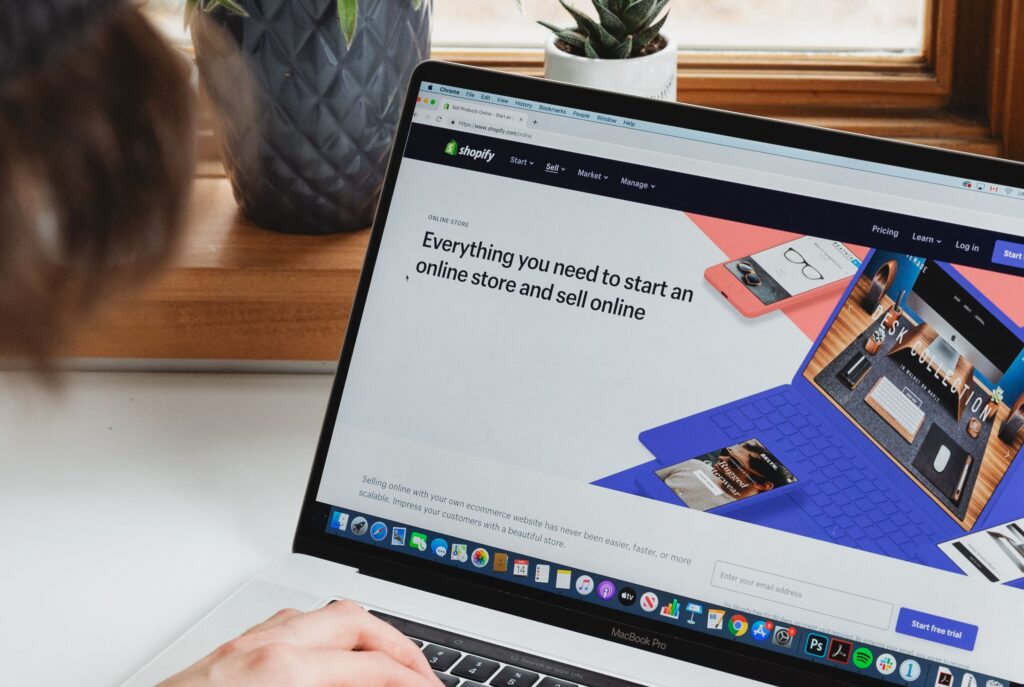
Shopify is one of the most well-liked eCommerce platforms that are available to retailers. One of the most flexible, feature-rich, and rapidly expanding eCommerce platforms available is Shopify. The Shopify platform is trusted by more than a million e-commerce businesses of all sizes and types in 175 countries. The platform powers all online retailers, from brand-new start-ups to large corporations. Top Features of Shopify Shopify has all the tools you’ll require to expand your company from a start-up to a global brand. Always In Control with Shopify Admin Shopify is well-liked for its user-friendly back end, which includes a dashboard that gives retailers access to all the data they require right away. Shopify, in our opinion, is designed so that anyone can use it, from thorough sales figures to effortlessly managing customers, orders, and products without inputting a line of code. With Shopify’s immensely sophisticated content management system (CMS), you don’t need to rely on your development team to make basic content changes to your website’s photos, sections, and text. With the help of a Shopify designer, you can customize the site according to your business needs. Large App Store with Endless Features Like Apple and Android, Shopify offers an app store with more than 2,500 apps from reputable technology partners, all of which include features intended to enhance the user experience of your store. Subscription payments, upselling, customer service, inventory management, and other capabilities are available in the app store. You can truly stay up to date with the latest since more and more apps are released every day. Never get left behind while you take it. Because of the app store’s versatility, Shopify keeps growing stronger as the finest developers in the world create the best apps for you to utilize. Marketing & Search Engine Optimization (SEO) In order to bring new clients to your website, you must have a solid marketing and SEO strategy. The way the website is constructed (by Shopify) and the marketing and SEO expertise of the individual working on the site both have an impact on SEO. Because Shopify’s system was developed with SEO in mind, you can be sure it won’t let you down. However, Shopify has sophisticated SEO features that let you modify meta tags, titles, and alt tags. Furthermore, Shopify generates a sitemap automatically that you can submit to Google so that it can index every page of your online business. The SEO features make it suggested by many SEO experts. Multi-Channel Selling Shopify was created with your business in mind and enables you to sell your products in several locations at once while still managing all of your inventory, orders, and customers from the Shopify admin panel. With its strong multi-channel integrations, the eCommerce platform makes it simple to sell on Facebook, eBay, Amazon, Instagram, and even through a blog. We think it’s one of the most important aspects of an eCommerce platform because it enables you to widen your audience, boost sales, and enhance your reach. Related Article: Ecommerce Marketing Strategy for The Success of Online Business Flexible & Built to Scale Shopify is a very adaptable platform that can accommodate the needs of a company at any stage of development, from one that is just getting started to one that is a global brand and fills thousands of orders an hour. Shopify offers more than 60 pre-built website designs, both free and paid, that you can install with the press of a button and then quickly and easily add products and content to. Shopify enables experienced teams, like ours, to create themes with unique features, functions, and user experiences for larger organizations. Your online store won’t face any problems because Shopify offers totally endless potential. Secure & Reliable Shopify runs every retailer’s store on its own highly powerful servers, so you never have to be concerned about your store going down due to a sudden increase in traffic. At its busiest, Shopify completed more than 10,000 transactions per minute with an average uptime of 99.999%. Shopify can handle one million page views per minute and has unlimited bandwidth. Security must be a major priority for any eCommerce shop in the current era of cybercrime. Shopify’s PCI-DSS Level 1 compliance ensures reliable security.     FAQs about Shopify What is Shopify? Shopify is a full-featured eCommerce platform that enables companies to sell products online with excellent order and customer management and features that encourage repeat business. Through the Shopify app store, merchants using Shopify have access to hundreds of reliable third-party apps. Shopify’s potential is continually being increased by a network of competent technological partners. What Does Shopify Cost? Shopify is not free like some of its rivals, however before you investigate alternative platforms, we advise looking into what is included. Shopify offers businesses a dependable, secure, and scalable platform that actively boosts online performance and sales. With the platform, reporting, analytics, and automation are unparalleled—things you didn’t know you needed until you didn’t! You can test out Shopify for the first 14 days for free, so you don’t have to take our word for it. The ‘Basic Shopify’ plan is $29 per month, while the ‘Advanced Shopify’ plan is the most expensive, costing $299 per month. Shopify accounts are highly flexible; as long as you pay monthly rather than annually, you can upgrade, downgrade, or cancel your Shopify plan whenever you like. When using Shopify’s payment system, there is a minor transaction cost of between 1.5% and 2.2% plus 20p. Depending on your plan, the fee for using a third-party payment gateway ranges from 0.5% to 2.0%. If your brand requires more than a small to medium business can provide, Shopify Plus, the enterprise business platform designed for rapidly expanding, high-turnover brands, may be the solution for giving your clients a dependable, safe, and superior online shopping experience. This post only covers the basic version of Shopify; however, if you’re interested in learning more about Shopify Plus, click here. Let’s explore the Shopify pricing levels and

Scroll to Top