FreelanceWebDesigner

Marketing

digital marketing for real estate
Marketing

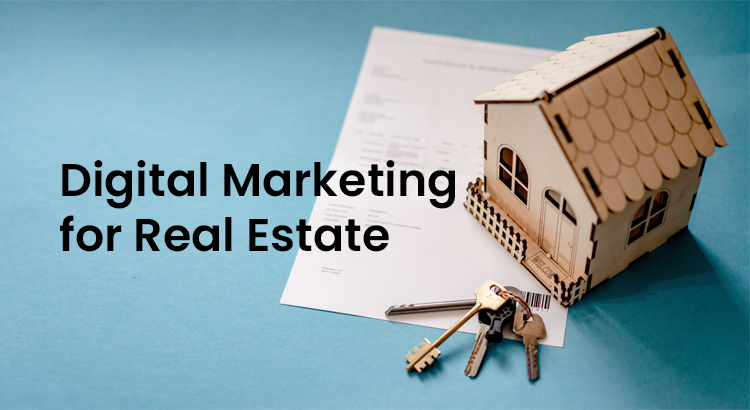
Digital Marketing for Real Estate: Effective Strategies

If you’re new to real estate and worried about how the market changes might affect your chances, don’t stress. We’ve put together a list of things you can do to boost your business using digital marketing for real estate. Let’s take a closer look at these strategies and how they can help you succeed. Importance of Digital Marketing for Realtors Effectiveness of Video and Mobile Marketing Mobile and video marketing drive engagement and conversions, especially with search engines prioritizing video content. Significance of Online Reviews Positive online reviews build trust with clients, particularly in real estate, where trust is vital for significant investments. Ease of Performance Tracking Digital marketing allows accurate performance tracking, unlike traditional methods, enabling optimization for better results. Easier Reach to Target Audience Digital marketing enables realtors to target specific audiences beyond local boundaries effectively. Freedom to Go Paperless Going digital saves costs and promotes environmental sustainability, reallocating resources to other digital strategies for greater impact. Multiple Opportunities for Creativity Online marketing provides realtors with creative freedom to engage diverse demographics and maximize reach and impact. Digitalization Trend in the Industry With the majority of realtors embracing digital marketing, establishing an online presence is crucial for staying competitive. Digital Marketing Strategy for Real Estate 1. Have a Responsive Website A responsive website is a foundational requirement for digital marketing in real estate. It serves as a hub for property information, accolades, and virtual tours, ensuring accessibility across various devices. 2. Implement Search Engine Optimization Effective SEO is vital to real estate digital marketing, ensuring visibility in search results for prospective buyers. This involves analyzing competitors, creating optimized content, and building backlinks for improved search rankings. Read More: What is SEO? Search Engine Optimization Full Guide 3. Run Google Search Ads Google search ads, operating on a pay-per-click model, allow targeted advertising to potential buyers. Geo-targeting and ad group segmentation optimize ad performance, while effective landing pages enhance conversion rates. Learn More: How to Advertise on Google Ads in 13 Steps? 4. Do Social Media Marketing Consistent social media posting enhances visibility and brand engagement in real estate. Platforms like Facebook, LinkedIn, and Instagram offer opportunities to educate audiences, automate messaging, and run targeted ads for faster results. Useful Article: Social Media Marketing Strategies: Building a Digital Presence 5. Engage Prospects with Video Marketing Video marketing is a powerful tool to engage and inform property buyers. Utilizing platforms like YouTube, realtors can create virtual tours, educational content, and client testimonials to evoke emotional responses and drive inquiries. 6. Do Email Marketing Email marketing allows real estate agents to segment audiences and deliver personalized content to nurture leads. Strategies such as clear calls-to-action, valuable information sharing, and mobile optimization enhance effectiveness. Digital marketing experts can handle tasks like email marketing campaigns efficiently. 7. Retarget Your Prospects Retargeting previous website visitors through platforms like Facebook, LinkedIn, or Google Display Retargeting boosts conversion rates. Additionally, leveraging SMS and WhatsApp for personalized messaging fosters ongoing engagement with prospects. 8. Get Yourself Listed on Real Estate Websites Quality property listings on popular real estate websites are essential for lead generation. Ensuring accurate information, high-quality visuals, and timely updates maximize listing effectiveness and attract potential buyers. Conclusion of Digital Marketing for Real Estate Agencies Digital marketing for real estate is essential for growth, yet it can be overwhelming for busy realtors. Success hinges on realistic goals, well-rounded strategies, and effective implementation. Utilizing various online channels boosts client base and property sales, demonstrating the power of digital marketing.

hire digital marketer
Marketing

How to Hire a Digital Marketer in 10 Steps?

Hiring a dedicated digital marketer is helpful for effectively promoting your products and services. However, amidst the abundance of options available, finding the ideal match can be difficult. This article presents a comprehensive 10 steps to hire a digital marketer, covering crucial aspects from goal setting to communication strategies. Steps to Hire a Digital Marketer See the 10 steps to hire an experienced digital marketer. Step 1: Define Your Goals Clearly articulate your objectives, whether it’s increasing website traffic, boosting book sales, or enhancing brand awareness. Understanding your target audience and preparing promotional materials like book links and trailers will streamline your search for a suitable digital marketing expert. Step 2: Research Potential Candidates Explore various digital marketers, especially those with experience in promoting books or websites. Assess their credibility through testimonials, case studies, and examples of past work showcased on platforms like Facebook, Fiverr, or Upwork. Step 3: Evaluate Their Expertise Assess candidates’ proficiency in essential digital marketing strategies like SEO, social media, content, and email marketing. Look beyond captivating descriptions and prioritize measurable results over promises crafted through AI. Step 4: Assess Their Communication Skills Effective communication is paramount. Seek a marketer who actively listens, asks pertinent questions, and communicates strategies clearly. Don’t let pricing influence your decision until you’re confident in their abilities. Step 5: Review Their Portfolio Request a portfolio showcasing their ability to create engaging content and drive website traffic. Ask for references from recent clients and verify their authenticity. Check their social media profiles for activity and client feedback to assess their capabilities accurately. Step 6: Consider Their Industry Knowledge Choose a marketer well-versed in your industry and target audience’s preferences. Ensure they stay updated on industry trends to tailor effective marketing strategies. For book promotion, expertise in the publishing industry is crucial. Step 7: Request a Proposal Demand detailed proposals from candidates with strategies, timelines, and expected outcomes. Inquire about turnaround time and promotion effectiveness. Seek quantitative commitments, like sales per week or month, and inquire about money-back guarantees for unmet targets. Step 8: Check References Contact previous clients for feedback on their experience. Avoid candidates who don’t provide references and be cautious of high-charging marketers; quality service can be found at a nominal cost. Step 9: Consider Budget and ROI Balance cost with potential ROI. Avoid paying full advance and ensure clear communication on inclusions/exclusions. Demand progress updates and avoid candidates who pressure you into hasty decisions. Step 10: Trust Your Instincts Ultimately, trust your instincts when making a decision. Choose a top digital marketer you feel comfortable working with and trust to effectively promote your book or website. Beware of pushy behavior and prioritize your experience in dealing with digital marketers. Conclusion of How to Hire a Digital Marketer By following these 10 steps, you can navigate the process of hiring a digital marketer with confidence. Take your time, ask pertinent questions, and prioritize candidates who align with your goals and values. With the best digital marketer, you can elevate your book or website promotion efforts and achieve tangible success.

how to advertise on google ads
Marketing

How to Advertise on Google Ads in 13 Steps?

Google Ads stands as a beacon of opportunity for businesses striving to amplify their online presence. This article delves into how to advertise on Google Ads, explaining the importance, functioning, and steps involved in creating effective ad campaigns. Why Is Google Ads Important? Google Ads, formerly known as AdWords, holds paramount significance in contemporary marketing strategies due to several compelling reasons: 1. Speedy Results Unlike SEO, which requires time to yield results, Google Ads propels businesses to the forefront of search engine results pages (SERPs) swiftly, garnering immediate visibility. 2. Brand Awareness Beyond driving traffic and conversions, Google Ads serves as a potent tool for brand exposure. Studies indicate a notable surge in brand recall rates, thereby solidifying brand presence in the digital landscape. 3. Gmail Inbox Outreach Integration with Gmail enables advertisers to extend their reach to potential customers through personalized ads within Gmail inboxes, enriching email marketing endeavors. 4. Remarketing Capabilities Leveraging Display Remarketing and Remarketing Lists for Search Ads (RLSA), Google Ads facilitates reconnecting with website visitors, nurturing prospects who previously engaged but didn’t convert. 5. Measurable Performance Unlike traditional advertising channels, Google Ads provides comprehensive metrics, enabling precise measurement of campaign effectiveness, ROI assessment, and informed decision-making. 6. Integration with Google Analytics Seamlessly integrating Google Ads with Google Analytics furnishes deeper insights into user behavior post-click, empowering advertisers to refine strategies based on actionable data. 7. Competitive Edge By monitoring competitors’ strategies and adapting to market dynamics in real-time, businesses can outmaneuver rivals, capitalize on emerging opportunities, and differentiate their offerings effectively. How Advertising on Google Works? Advertising on Google entails a structured process: Ad Creation: Crafting diverse ad formats via the Google Ads platform. Keyword Bidding: Strategic bidding on keywords, audiences, or placements to secure prominent ad placements. Payment Model: Advertisers pay per click (PPC), ensuring cost-effectiveness as expenditure correlates directly with user engagement. Click-Through Rate (CTR) Optimization: Enhanced CTR enhances ad performance, potentially reducing Cost-Per-Click (CPC) and maximizing ROI. Conversion Optimization: Effective landing pages or websites complement Google Ads, fostering conversions and bolstering Return on Ad Spend (ROAS). While Google Ads offers immense potential, meticulous campaign management is imperative to navigate potential pitfalls and optimize outcomes continually. How to Advertise on Google? The steps to advertise on Google Ads are listed below. You can use them to do it by yourself or you can get help from a PPC expert. Step 1: Switch to Expert Mode Navigate to ads.google.com, click “get started,” and opt for “Switch to expert mode” to bypass Smart campaigns. This enables customized campaign creation tailored to specific business objectives. Step 2: Pick Your Campaign Type Choose from diverse campaign types including Search, Display, Video, Shopping, App, Discovery, Local, or Performance Max, depending on your marketing goals and target audience. Step 3: Set Up the Campaign Define campaign settings such as name and network preferences. Customize parameters like ad schedule and geographical targeting to optimize audience reach and engagement. Step 4: Set Your Ad Schedule Specify ad display timings to align with peak user activity periods, maximizing ad visibility and potential conversion opportunities. Utilize advanced settings to fine-tune scheduling for optimal results. Step 5: Specify Location & Language Refine audience targeting by selecting specific locations and languages to ensure ads reach relevant demographics, enhancing campaign effectiveness and engagement rates. Step 6: Calculate Your Daily Budget Determine an appropriate daily budget based on keyword research and industry benchmarks. Strike a balance between investment and returns to optimize campaign performance and resource utilization. Step 7: Choose Your Bid Strategy Select between manual or automated bidding strategies to manage CPC bids effectively. Tailor bid strategies to align with campaign objectives and maximize ROI while maintaining control over spending. Step 8: Set Up Your Keywords Identify relevant keywords and match types to optimize ad targeting and relevance. Organize keywords into thematic ad groups for streamlined campaign management and improved performance. Step 9: Create Your Ad Craft compelling ad copies with clear messaging and engaging visuals to capture audience attention and drive clicks. Ensure alignment with campaign objectives and target audience preferences. Step 10: Add On Your Ad Extensions Enhance ad visibility and functionality by incorporating extensions like sitelinks and callouts. These additional features of Google Ads enrich ad content, improving CTR and overall campaign performance. Step 11: Device Targeting and Extras Refine audience targeting by adjusting bid adjustments for different devices. Explore additional settings to optimize campaign performance and refine audience targeting strategies. Step 12: Don’t Forget Your Landing Page Optimize landing pages for seamless user experience and improved conversion rates. Focus on technical aspects, CTAs, and design to ensure landing pages align with ad messaging and drive desired actions. Step 13: Set Your Ad Live Finalize billing information and launch the campaign to set ads live. Monitor performance metrics and make necessary adjustments to optimize campaign outcomes and achieve marketing objectives. Conclusion of How to Advertise on Google Ads Advertising on Google Ads presents a powerful opportunity for businesses to amplify their online presence and drive targeted traffic. By following the steps, advertisers can harness the full potential of Google Ads.

digital marketing best practices
Marketing

Digital Marketing Best Practices: Key Strategies for Business Growth

Effective digital marketing is essential for business success in the modern digital era. Businesses need to adjust to the constantly changing online landscape and implement the digital marketing best practices to stay competitive and achieve sustainable growth. The digital marketing services provided by experts include the strategic implementation of these practices. Important Digital Marketing Best Practices 1. Identify the Target Audience Understanding your audience is the foundation of successful digital marketing. Conduct thorough research to identify demographics, interests, and online behaviors, enabling precise targeting and personalized campaigns. 2. Always Set Clear Campaign Goals Define specific, measurable, achievable, relevant, and time-bound (SMART) goals for each digital marketing campaign. Clear objectives provide direction, helping you measure success and refine strategies for future campaigns. 3. Develop a Content Marketing Strategy Create a comprehensive content marketing strategy that aligns with your brand and resonates with your target audience. Quality content builds trust, engages customers, and establishes your brand as an industry authority. Read More: Content Marketing: The Ultimate Guide 4. Build Relevant Content Tailor content to address the needs and interests of your audience. From blog posts and videos to infographics, diverse content formats ensure a dynamic online presence, catering to various consumer preferences. 5. Incorporate SEO Tactics Optimize your online content for search engines to enhance visibility. Implement keyword research, on-page optimization, and quality link building to improve your website’s search engine rankings, driving organic traffic. The expertise of SEO experts is invaluable in executing these strategies. 6. Use Conversion Tracking to Monitor Performance Implement conversion tracking tools to measure the success of your campaigns. Analyze key performance indicators (KPIs) such as conversion rates, click-through rates, and customer acquisition costs to refine your strategies for optimal results. 7. Allocate Your Budget to the Best Performing Channels Distribute your digital marketing budget wisely, allocating resources to channels that yield the best return on investment (ROI). Regularly assess performance and adjust budget allocations based on data-driven insights. 8. Learn from Your Competitors Keep a close eye on competitors to identify successful strategies and industry trends. Analyzing competitors’ digital presence helps you refine your own approach and stay ahead in the competitive landscape. 9. Voice Search Optimize your content for voice search, as more users turn to virtual assistants. Understanding natural language patterns and implementing voice search optimization tactics can give your business a competitive edge. 10. Social Commerce and Shoppable Posts Utilize social media platforms for direct sales through shoppable posts. Simplify the customer journey by integrating e-commerce functionalities into social media channels, enhancing the shopping experience. 11. Try Omnichannel Marketing Create a seamless customer experience across various channels, ensuring consistency in messaging and branding. Omnichannel marketing enhances customer satisfaction and loyalty by providing a cohesive brand experience. 12. Use Accurate Data Base your decisions on accurate and reliable data. Regularly analyze customer data, campaign performance metrics, and market trends to make informed decisions and adapt your strategies accordingly. 13. Employ Email Campaigns Email marketing remains a powerful tool for customer engagement. Develop personalized and targeted email campaigns to nurture leads, retain customers, and drive conversions. 14. Utilize Chatbots Integrate chatbots into your website and social media platforms to provide instant customer support. Chatbots enhance user experience by offering real-time assistance and information. 15. Use Retargeting to Increase ROI Implement retargeting strategies to re-engage users who have previously interacted with your brand. Tailor ads based on user behavior to encourage conversions and maximize your return on investment. 16. Get Help from Experts Consider partnering with digital marketing experts or agencies to leverage their expertise. Professionals can provide valuable insights, strategies, and technical know-how to enhance your overall digital marketing efforts. 17. Revise Your Digital Marketing Strategy Regularly The digital landscape evolves rapidly, so it’s essential to regularly revisit and revise your digital marketing strategy. Stay agile, adapt to changing trends, and incorporate new technologies to remain competitive. Conclusion on Digital Marketing Best Practices In conclusion, embracing digital marketing best practices is fundamental for achieving sustained business growth in the digital era. By consistently refining strategies, staying informed about industry trends, and leveraging emerging technologies, businesses can navigate the dynamic online landscape and secure long-term success.

inbound marketing
Marketing

What is Inbound Marketing and Why Is It Important?

Inbound marketing is a digital marketing technique that assists in driving buyers to your organization by generating quality content and engaging experiences that appeal to consumers. Instead of relying primarily on advertisements to attract clients, it places a higher priority on content production and information exchange. By providing clients with educational resources, interactive media, or communication opportunities in addition to your brand’s products, can assist in creating an engaging environment for them. The first step in developing an inbound marketing strategy is figuring out what content you can offer your clients at each stage of their purchasing journeys. Outlining the touchpoints of the shopping experience, from awareness through actions to post-purchase advocacy, can be done with the use of a customer journey map. Creating a content calendar and a promotional plan for your company will also assist in keeping your inbound marketing approach organized. This will be essential for tracking the campaign’s success metrics both during and after its run. It can also inspire creativity in both your content and your multichannel distribution plans. To reach clients in diverse locations, experiment with various content forms and promotional channels. Inbound marketing can be a crucial component of a company’s digital marketing strategy even though it doesn’t always lead to increased lead generation or direct sales. Inbound marketing aims to increase brand awareness, which can be more difficult to quantify directly but is still important. What is the difference between inbound and outbound marketing? Inbound marketing attends to consumer demands. Integrating inbound marketing tactics into campaigns has the potential to assist a variety of marketing disciplines, including content marketing, email marketing, social media marketing, and digital marketing. The inbound marketing methodology focuses more on content generation and giving customers thorough information about your business and items than it does on driving sales. Customers who are researching items can benefit from information provided via inbound marketing. Over half of the respondents in a recent Amazon poll on consumer behavior and product discovery conducted online conducted product research. Inbound marketing can help brands get ready for this by ensuring that the resources and information that customers might require are readily available on their website or social media channels. Why is inbound marketing important? By naturally attracting potential customers rather than obtrusively interrupting them with adverts, inbound marketing can aid in the growth and success of organizations. While inbound marketing has many advantages, the following are some of the most significant ones: Reduces costs Inbound marketing typically costs less and provides a higher return on investment than outbound marketing. Inbound marketing leads actually cost 62% less than outbound prospects, according to a recent HubSpot analysis. Additionally, they discovered that companies that primarily use inbound marketing save nearly $14 (£10) for every new client. This makes sense when you compare the prices of opening a Twitter account or adding a blog to a website you already pay the hosting for to starting a billboard commercial or even a Facebook ad campaign. There are several circumstances where spending more money can result in increased effectiveness or traffic to your websites and social media platforms. You could want to set aside some money for SEO, a CRM (more on those later), or outsourcing some of your content creation or marketing strategy in order to observe how the experts do it. Whatever you decide, there are a variety of scales and options available to suit the requirements of your company. Attracts higher quality traffic Inbound marketing has been demonstrated to draw people who are more likely to become leads and customers, presuming firms modify their SEO approach to ensure that the correct traffic may find them. The development of 1-3 “buyer personas” is a key first step in putting up an inbound marketing strategy. These are profiles of numerous potential buyers of your product who fit the bill in terms of demographic, geographic, and psychographic characteristics (such as goals and motives). When your content creators are aware of these, you can direct your posts and keywords to very specific audiences who are at particular stages of the conversion process. A film analyzing several wedding venue choices might be made as an illustration of this, with the goal of luring engaged young professionals who are in the “consideration” stage of their search. Focusing on specific segments of the population makes it more probable that those who are drawn to your material will be interested in your solutions right away. As a result, your traffic is already more likely to be a higher quality lead, more likely to convert into a lead in the first place, and more likely to match the profile of your ideal client. Increases trust in your brand In the past, prospective customers had to telephone or physically visit numerous vendors to assess the offerings and costs. Many customers only had time to invest in the first offer that seemed affordable. Anyone can now easily access lists of your rivals, product reviews, and details on which extra features best meet their needs and wants by simply clicking a button. You can take charge of the conversation and project an air of authority by being the one to offer that information. The secret is to be willing to discuss whatever your potential customers are interested in hearing about, including pricing, alternatives, comparisons, reviews, and even disadvantages. They will visit your site, come back to it, share it with others, and other websites may link to it to spread the word further if you offer content that is pertinent to the audience you are trying to market to. If this occurs, Google will view you as a reliable source, increasing your visibility in search engine results. Your audience will be more inclined to trust you with their contact information and, ultimately, their company if your website establishes itself as a resource where they can find unbiased information on your area of expertise. Talking about the negatives also encourages users to self-select out of your funnel if they’re not

content marketing
Marketing

Content Marketing: The Ultimate Guide

Your audience leads, and clients demand informative content from your company. And rather than being disruptive, such content must engage audience members in a way that feels natural and organic. The process of recruiting, interacting with, and gratifying your target markets is what content marketing, which supports businesses in doing this, defines. You can achieve this by focusing on efficient content marketing, which can increase conversions, raise brand awareness, enhance income, position you as an industry leader, and more. It never hurts to re-evaluate your approach and come up with new ways to produce and distribute the content your consumers desire, whether you’re just beginning to develop a plan or you’re updating your current one. The sorts of content marketing, examples of content marketing, and instructions on how to start a strategy will all be covered in this tutorial. What is content marketing? The creation and dissemination of pertinent, helpful content —such as blogs, newsletters, white papers, social media postings, emails, videos, and similar items—to current and future clients are known as content marketing. When done well, this content demonstrates competence and makes it obvious that a business values the customers it serves. Using content marketing consistently helps you build and maintain relationships with both current and potential clients. When your target market views your business as a partner invested in their success and a reliable source of information and direction, they are more likely to choose you when the time comes to make a purchase. You can enjoy the benefits of content marketing by hiring experts offering digital marketing services. Types of Content Marketing You can combine a variety of content marketing techniques into your approach; the following are some of the most popular: 1. Online Content Marketing Any content you publish online is referred to as online content marketing, but your web pages are explicitly referred to. You can rank higher in the search engine results pages (SERPs) and get in front of the right audience at the right time with a solid online content marketing strategy. 2. Social Media Content Marketing It’s understandable why so many companies spend in social media marketing given that there are over 4.5 billion social media users worldwide. You can create and share content on each of the numerous platforms you can use (including Facebook, Instagram, Pinterest, LinkedIn, and Snapchat) in a variety of ways (including images, live videos, pre-recorded videos, and tales). Related Article: Top 7 Benefits of Facebook Marketing for Small Businesses 3. Infographic Content Marketing Infographics present statistics, information, and content in a visually appealing manner. Infographics are an excellent approach to successfully expressing your content since they combine straightforward language, concise claims, and clear imagery. They are effective when you want everyone in the audience to understand a complicated or instructional subject. 4. Blog Content Marketing The purpose and subject of blogs can be very creative, making them a potent form of inbound content. You can use a blog to promote other internal and external content, connect to other blog posts, include social media share buttons, and include product details. Learn More: Top Benefits of Having a Blog on a Business Website Podcast Content Marketing On the Spotify and Apple Podcasts platforms, more than 60 million individuals subscribe to podcasts. Due to this, a lot of companies and media organizations have started producing and disseminating their own podcasts. Due to the fact that they can be created on any subject, podcasts encourage a lot of innovation. You also get to choose the pace of the episodes, who appears on the show, how and where you advertise it, and the length of the episodes. 6. Video Content Marketing According to a study, 73% of consumers said they prefer to watch a video to understand more about a brand’s product or service. Additionally, video marketing can increase conversions, increase ROI, and aid in audience relationship building. You can decide to publish your video content on landing pages, social networking sites, or the website of a co-marketer. 7. Paid Ad Content Marketing Paid advertisements are a great way to reach a wide audience and position yourself where you want to be seen. Paid advertisements work best when combined with inbound marketing. Paid advertisements can be shared in a variety of venues, including social media, landing pages, banners, and sponsored content. How does content marketing work? By offering informative content and captivating stories, content marketers draw audiences. In order to foster community, they also leverage content outlets. Therefore, content marketing for businesses is more than just a method or strategy; it’s also a distinct mode of communication. People have varied needs at various points in the purchasing process, keeping this in mind. You should consider your conversion funnel if you want to be certain that your content satisfies a requirement at each stage. Top of the Funnel (TOFU) You want to use your content to increase awareness at the top of the funnel. Though they may be aware of their issue, your target audience may not know how to resolve it. You can concentrate on brand awareness, general problems, and questions during this phase. TOFU content should entice potential clients to learn more about a certain issue. This presents a pertinent chance for you to present your answer. Competition, balancing instructive and promotional content, and ROI tracking are all common obstacles for TOFU content. Create a content strategy that appeals to a particular audience to address these problems. Your strategy will also assist you in coming up with a plan that matches corporate objectives with content subjects and forms. Then, compile a set of KPIs to monitor the effectiveness of your content. At the top of the funnel, useful content kinds include: Blog posts Social media posts Short-form video Podcasts Infographics Checklists Ebooks Webinars Video Ads Middle of the Funnel (MOFU) A prospect is evaluating your goods once they reach the middle of the funnel. They might be participating in your social media or have visited your website more than once.

benefits of facebook marketing
Marketing

Top 7 Benefits of Facebook Marketing for Small Businesses

This article aims to educate small business owners about the benefits of Facebook marketing to them. Facebook, with its 2.6 billion monthly users, is undeniably one of the most popular online marketing tools. Therefore, it is important for businesses to take advantage of the large audience in order to boost sales. Over 200 million small companies around the world are using Facebook for marketing and promotion, according to recent figures. Well-optimized Facebook ads can generate excellent results, even if some business owners have yet to embrace Facebook’s role in advertising. Having a large number of Facebook “likes” is as simple as launching a publicity campaign. The more individuals who “like” your business page on Facebook, the more people will learn about your company. The importance of this in building recognition and favorability for a brand cannot be overstated. Benefits of Facebook Marketing Do you use Facebook as part of your overall marketing plan? If you don’t, you’re passing on a crucial method of promoting your business online. Is Facebook marketing worth it for small businesses, and what are the main benefits? Continue reading! 1. Easier to target a specific audience Facebook’s advertising capabilities are helpful since they allow you to select the most appropriate market to target, in contrast to traditional marketing, which makes it impossible to target a specific demographic. Facebook’s remarketing features make it simple for users to get in touch with potential customers. But Facebook’s advertising platform lets you pick your price range, design your ad, and zero in on your ideal customers. This reduces the overall cost of advertising and boosts ROI. Social media marketing offered by experts includes Facebook marketing to target the specific audience for the marketing of your products or services. 2. Cost-effective Facebook advertising is inexpensive and more reasonable, especially for new and smaller enterprises. Facebook ads can cut your advertising costs by almost half compared to more conventional methods. In most cases, all that’s required is establishing a modest budget, selecting a target demographic, and letting the campaign run for as long as that time period is specified in the campaign’s settings. When done right, it has the potential to provide much better returns on investment than more conventional forms of marketing. 3. Improves customer service Providing excellent service to customers is essential to the success of any company. Marketing on Facebook does more than just reach out to customers; it also strengthens a company’s bond with its intended demographic. Facebook marketing encourages two-way communication with consumers, in contrast to the typically one-way nature of traditional advertising. In such a scenario, repackaging a product with upgraded features to meet consumer needs is simpler than before. It’s also less difficult to respond to customer feedback and implement changes that enhance service quality. In the end, this means more repeat business and better ratings from satisfied consumers, both of which are crucial to expanding your business. In addition, the use of various media types in online ads, such as text, graphics, videos, and images, has been shown to increase click-through rates. You can use a messenger bot, Facebook groups, and live videos to get in touch with customers and increase engagement. 4. Free data analysis The ability to get a thorough understanding of your target audience’s wants and desires through the use of customer personas is crucial. Facebook gives its users instant feedback on the efficacy of their advertising efforts. This allows you to determine which campaign is the most successful and to end the others. Facebook’s Ads manager’s conversion rates reveal information about your post’s performance, reach, and interaction in addition to the total number of likes on your business page. You may tailor your Facebook ad campaign to meet your specific needs. The Facebook ad features not only aid in strategic campaign planning but also in monitoring the overall efficacy of your advertisements. As a result, you can monitor the efficacy of your advertisements and draw conclusions about how the campaigns affected the exposure your company received. 5. Effective marketing strategy It’s time to give Facebook’s ad management a try if you’ve been having trouble with your ads elsewhere. Facebook remarketing is a component of Facebook’s ever-evolving marketing tools that allows you to contact people who have already shown interest in your business. You might lower your prices to persuade the customer to convert your visitors. To increase the likelihood of a sale from a potential customer in the future, remarketing is the way to go. To encourage customers to finish a purchase they started earlier, you may provide them with an exclusive discount code only available on Facebook along with certain discounts. You can see which customers could have bounced by using Facebook’s tracking feature. The consumer’s buying habits will then inform an advertisement campaign. You can also create a marketing strategy using the Facebook ads tips. 6. Easier conversion through the call-to-action feature Facebook’s call-to-action button is useful for increasing clickthroughs. Instructions on how potential customers can place an order for a product or service are simplified by the addition of a personalized call to action. A subscription form, app installation instructions, or instructional video are all viable options. The best calls to action (CTAs) will have a major impact on sales. According to data provided by Ad Roll, businesses may increase conversions from Facebook ads by as much as 2.85 times simply by adding a call to action button. 7.  Driving traffic to your website The value of natural website visitors cannot be overstated. Facebook’s advertising tools can be used to increase clickthroughs to your site. Most Facebook users login for social interaction and entertainment, but they may end up on your site if you share content that interests them. Only by providing material that readers will find engaging will you be able to attract people to your website in sufficient numbers. Instead of wasting money on fake traffic services, you may spend some time sharing information on different Facebook pages to gain more likes. In that

ecommerce marketing strategy
Marketing

Ecommerce Marketing Strategy for The Success of Online Business

An eCommerce marketing strategy is essential for your online store to reach more people. Staying up to date with the latest marketing trends is essential for maintaining your customer base and attracting new customers. Top List of Essential eCommerce Marketing Strategy Take a look at the list of eCommerce marketing strategies for the success of online business. 1. Create Original Content Creating high-quality and unique content is drives you towards success.  Original content will increase your credibility and lead the customers to purchase from you. Related Topic: 8 Effective Ways to Boost Your Traffic Without Writing New Content Constantly 2. Optimize Online Store’s layout Your website layout, tone of the content, placement of conversion elements, etc., can influence the success of your business. If your eCommerce website design is not able to increase conversion, you should find a web designer who is providing website redesign services. 3. Content Marketing This is one of the best eCommerce promotion strategies. It can attract potential customers to the website more effectively than other methods. Content of your website includes home page, product pages, category pages, etc. You can create other content like blog posts, videos, newsletters, and more. 4. Social Media Marketing An eCommerce marketing agency will deliver the best social media marketing services to increase the website reach. Utilizing social media platforms like Facebook, Instagram, etc., will strengthen your store’s online presence. You should choose the right platform for your marketing efforts. 5. Email Marketing Ecommerce email marketing is one of the oldest marketing methods. But it is still in practice because of its effectiveness. You can classify your target audience into different categories and send customized emails to each category of customers. 6. Search Engine Optimization (SEO) for eCommerce The importance of eCommerce SEO is very high. SEO includes the methods to increase the visibility of your eCommerce website. The eCommerce search engine optimization campaigns involve constantly updating the website with relevant content, providing an excellent user experience, and making sure the website is bug-free as possible. SEO requires in-depth knowledge about Google’s search algorithm and ranking system. You should find a top SEO consultant for eCommerce SEO solutions. How to Find Experts in Ecommerce Marketing Strategy Some of the things you can do to find online marketing experts to take care of your eCommerce marketing campaigns. Ask for referrals from friends and colleagues Search on Google for top 10 experts in eCommerce marketing strategy Look for digital marketing company on social media platforms Related Topic: 4 Reasons Why an eCommerce Website is Necessary for Your Store The Best Ecommerce Marketing Strategy – Conclusion The important strategies to boost your eCommerce website’s reach are given in this article.

Scroll to Top